Comparing Safe Payment Methods for Online Stores
When shopping online, the payment method you select influences how your financial details are transmitted and stored. Different methods expose different types of information to merchants, payment processors, and other intermediaries. Understanding these differences can help consumers make informed decisions about which option aligns with their comfort level regarding data sharing and potential exposure. This article reviews three common payment approaches—virtual cards, tokenized wallets, and bank transfers—and examines how each one limits the exposure of primary card details during checkout.
The discussion is informational and does not recommend any single method as universally superior. Each option carries its own set of characteristics, and the suitability of a given method depends on factors such as the merchant’s acceptance policies, the consumer’s banking setup, and the desired balance between convenience and control. Rather than prescribing a best practice, the goal is to outline how each method functions and what kinds of exposure it may reduce or introduce.
Readers in the United States will encounter these payment methods across a wide range of online stores, from large retailers to small independent shops. The following sections describe the mechanics of each method, the ways they can limit the sharing of primary card information, and the contextual considerations that may affect their use. By comparing these approaches, consumers can better evaluate which option fits their own preferences and risk tolerance.
Virtual Cards: Temporary Numbers for One-Time or Limited Use
Virtual cards are digital card numbers that are generated by a bank or card issuer and linked to an existing credit or debit account. Unlike a physical card, a virtual card number is typically intended for online use and can be configured with specific limits, such as a maximum transaction amount, an expiration date, or a restriction to a single merchant. When a consumer uses a virtual card at checkout, the merchant receives the virtual number rather than the primary card details. This separation means that if the merchant’s systems are compromised, the exposed information is limited to the virtual card, which can often be cancelled or allowed to expire without affecting the underlying account.
The process of obtaining and using a virtual card varies by issuer. Some banks offer virtual card numbers through their mobile apps or online banking portals, allowing customers to generate a new number for each transaction or for a specific subscription. Others may provide a browser extension or a dedicated app that auto-fills virtual card details at checkout. In the United States, several major issuers and fintech companies offer virtual card features, though availability and terms differ. The key characteristic is that the primary card number is not directly shared with the merchant, which can reduce the scope of exposure in the event of a data breach.
However, virtual cards are not universally accepted. Some online stores may decline transactions that use virtual card numbers, particularly if the billing address or other verification details do not match the issuer’s records. Additionally, managing multiple virtual cards can require organizational effort, and consumers should review their issuer’s policies regarding dispute resolution and refunds. From a process standpoint, virtual cards introduce an additional layer between the consumer’s primary account and the merchant, but they do not eliminate the need for careful handling of account credentials and device security.
Tokenized Wallets: Proxy Credentials Stored on Devices
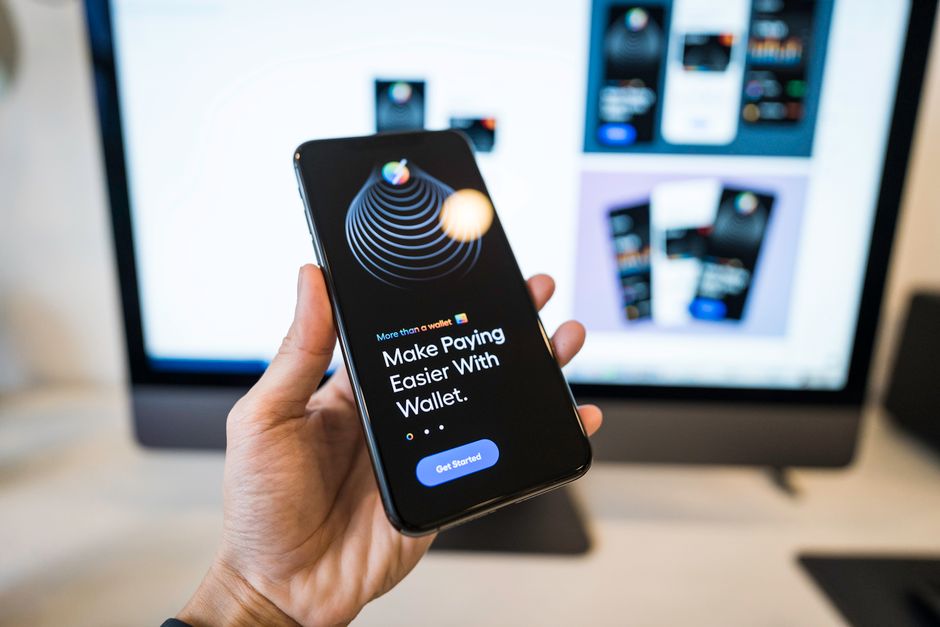
Tokenized wallets, such as those offered by mobile operating systems and digital wallet providers, replace sensitive card information with a unique token that is stored on the user’s device. When a consumer adds a card to a tokenized wallet, the card details are not stored directly on the device or shared with merchants during checkout. Instead, the wallet generates a device-specific token that is used to authorize transactions. This token is typically limited to a particular device and may be revoked if the device is lost or the wallet is compromised. During an online checkout, the merchant receives the token rather than the primary card number, which can limit the exposure of card details to the merchant’s systems.
The use of tokenized wallets has become increasingly common in the United States, with major wallets supporting in-app and web-based payments. The tokenization process is designed to reduce the risk of card details being intercepted or stored insecurely by merchants. However, the security of a tokenized wallet depends on the security of the underlying device and the user’s authentication practices. If a device is unlocked or the wallet’s authentication is bypassed, unauthorized transactions may be possible. Therefore, tokenized wallets are one component of a broader approach to payment security, and they do not replace the need for strong device passcodes and vigilant account monitoring.
From a merchant’s perspective, accepting tokenized wallet payments may require integration with the wallet provider’s payment network. Not all online stores support every wallet, and some may impose additional verification steps. Consumers should be aware that while tokenized wallets can reduce the sharing of primary card details, they still involve a relationship with the wallet provider and the card issuer. The token itself is a proxy credential, and its security properties depend on the implementation by the wallet provider and the merchant’s payment processor.
Bank Transfers: Direct Account-to-Account Payments
Bank transfers, also known as account-to-account payments, involve moving funds directly from the consumer’s bank account to the merchant’s account. In the context of online checkout, bank transfers typically require the consumer to authenticate with their bank and authorize the payment, often through a redirect to the bank’s online banking interface or a dedicated payment initiation service. Unlike card payments, bank transfers do not involve sharing card details with the merchant because the transaction is routed through the banking system. The merchant receives confirmation of payment rather than card information, which can reduce the exposure of card details to the merchant’s systems.
However, bank transfers introduce a different set of considerations. The consumer must share bank account information with the payment initiation service or provide authorization through their bank’s interface. While this does not expose card details, it does involve the sharing of account-related data with the payment provider. In the United States, bank transfer options for online purchases are available through various payment processors and open banking services, though adoption varies by merchant and region. The process may involve additional steps compared to card payments, such as logging into online banking and approving the transaction, which can affect the checkout experience.
From a security standpoint, bank transfers can limit the exposure of primary card details because no card information is transmitted to the merchant. However, the security of the transfer depends on the authentication mechanisms used by the bank and the payment initiation service. Consumers should verify that they are using legitimate bank interfaces and avoid sharing banking credentials with unverified third parties. Additionally, bank transfers may offer different dispute resolution processes compared to card payments, and consumers should review the terms of service for each payment method they use.
Contextual Factors and Comparative Considerations
When comparing virtual cards, tokenized wallets, and bank transfers, it is useful to consider the type of information exposed to the merchant and other parties. Virtual cards expose a temporary card number that is linked to the primary account but can be limited in scope. Tokenized wallets expose a device-specific token that replaces the card number and is tied to a particular device. Bank transfers expose payment confirmation and account-related data to the payment initiation service and the bank, but not card details to the merchant. Each method therefore limits exposure in different ways, and the overall security depends on the implementation by the issuer, wallet provider, payment processor, and merchant.
Consumers should also consider factors such as merchant acceptance, ease of use, and the availability of customer support. Some online stores may accept only certain payment methods, and the checkout flow may vary in complexity. Virtual cards may require pre-generation and may not be accepted everywhere. Tokenized wallets may be limited to specific devices or browsers. Bank transfers may involve additional authentication steps that can slow down the checkout process. These practical considerations can influence which method is most suitable for a given situation.
Finally, it is important to recognize that no payment method eliminates all risk. Security is a combination of technology, user behavior, and institutional practices. Consumers should maintain strong passwords, monitor account activity, and stay informed about their financial institutions’ security features. SecurePay Insights provides informational resources on payment security topics, and readers are encouraged to consult their financial institutions for specific guidance. The information in this article is intended to support understanding of how different payment methods may limit the exposure of primary card details during online checkout, without prescribing a particular course of action.